
Folklore Imaginaries
The Hausa Folklore Imaginaries seeks to revive, document, and creatively present stories drawn from folklore, verified historical events, and biographical accounts of influential figures who contributed to Hausa culture across the precolonial and postcolonial periods. Through visually compelling storytelling and regular illustrated content, the project aims to make Hausa knowledge accessible, engaging, and relevant to contemporary audiences.
ARTS, CULTURE, HERITAGE
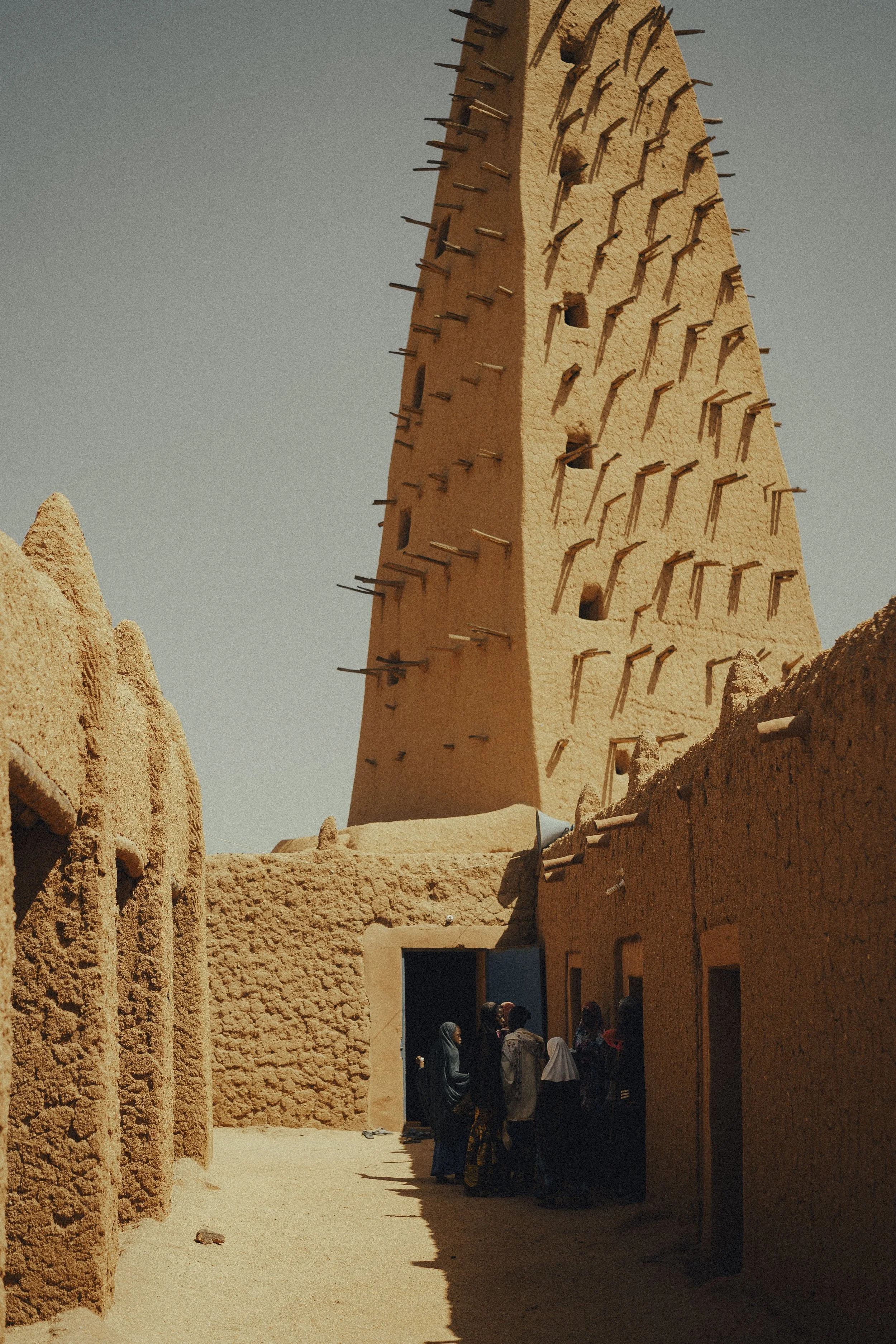
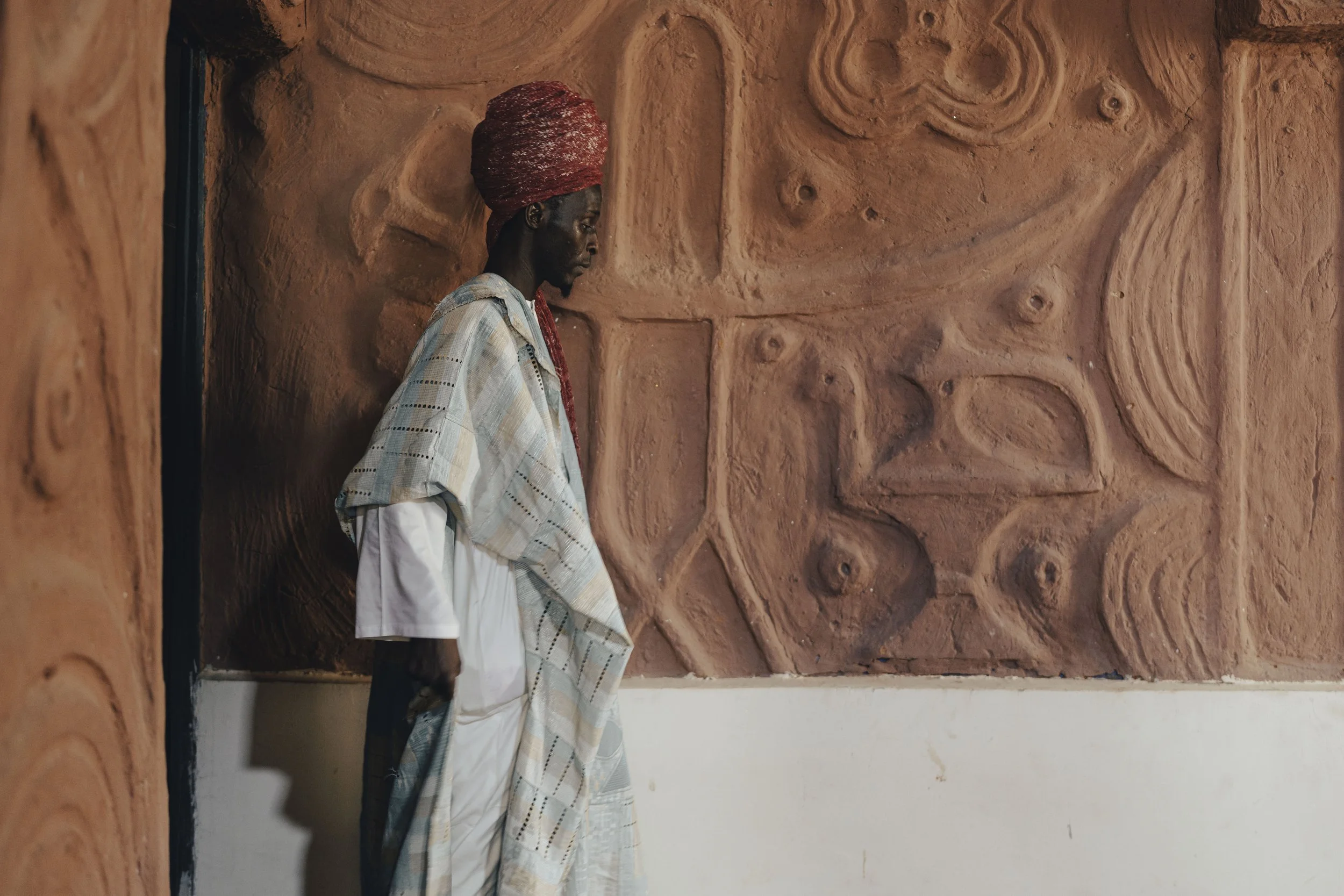
The Museum of Hausa Arts & Heritage stands as a dynamic cultural engine, revitalizing the depth, beauty, and intellectual sophistication of ancient Hausa civilization for a rapidly evolving modern world. More than a repository of artifacts, it is a transformative platform that rekindles identity, pride, and belonging by spotlighting the expansive tapestry of Hausa life; its language, visual arts, architecture, values, philosophies, and socio-cultural traditions. At a time when globalization threatens to dilute indigenous knowledge systems, the museum positions itself at the forefront of cultural preservation and reinvention.
Exhibition
Although Hausa culture has a long history expressed through oral traditions, craftsmanship, and community life, much of this knowledge remains scattered, under-documented, or at risk of being lost. Existing materials ar dispersed across books, archives, museums, and individual custodians, making access difficult for researchers and the public.
Hausapedia aims to address this gap by building a centralized, credible, and accessible archive of Hausa history, culture, and contemporary life.
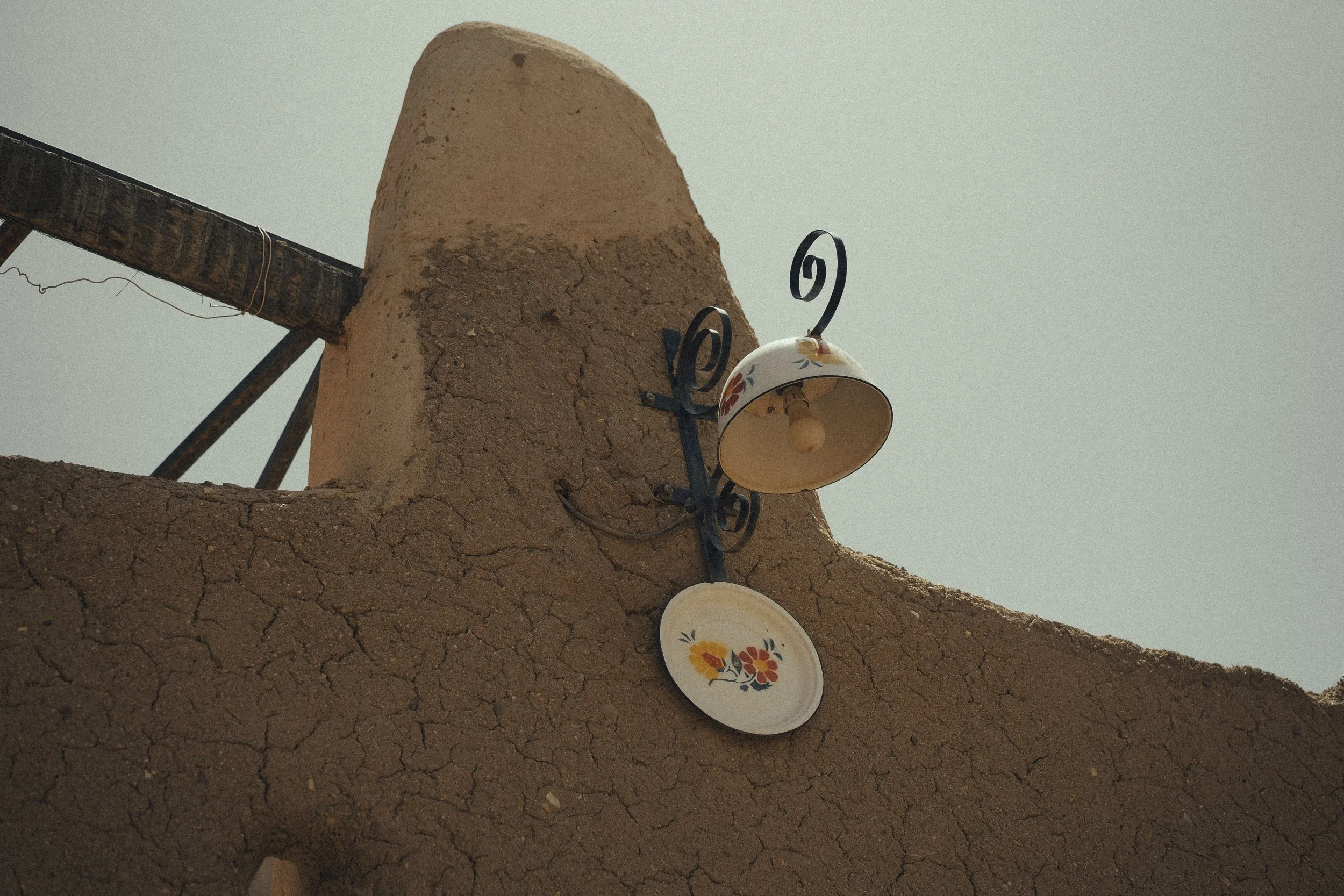
There is an emerging creative economy that thrives on cultural innovation that Mohart Heritage leverages on through showcasing the diverse heritage of the Hausa society through its arts, literature, and craftmanship, driving traction towards promotion of cultural relics and creative handicrafts.
02/26
A Digital Archive
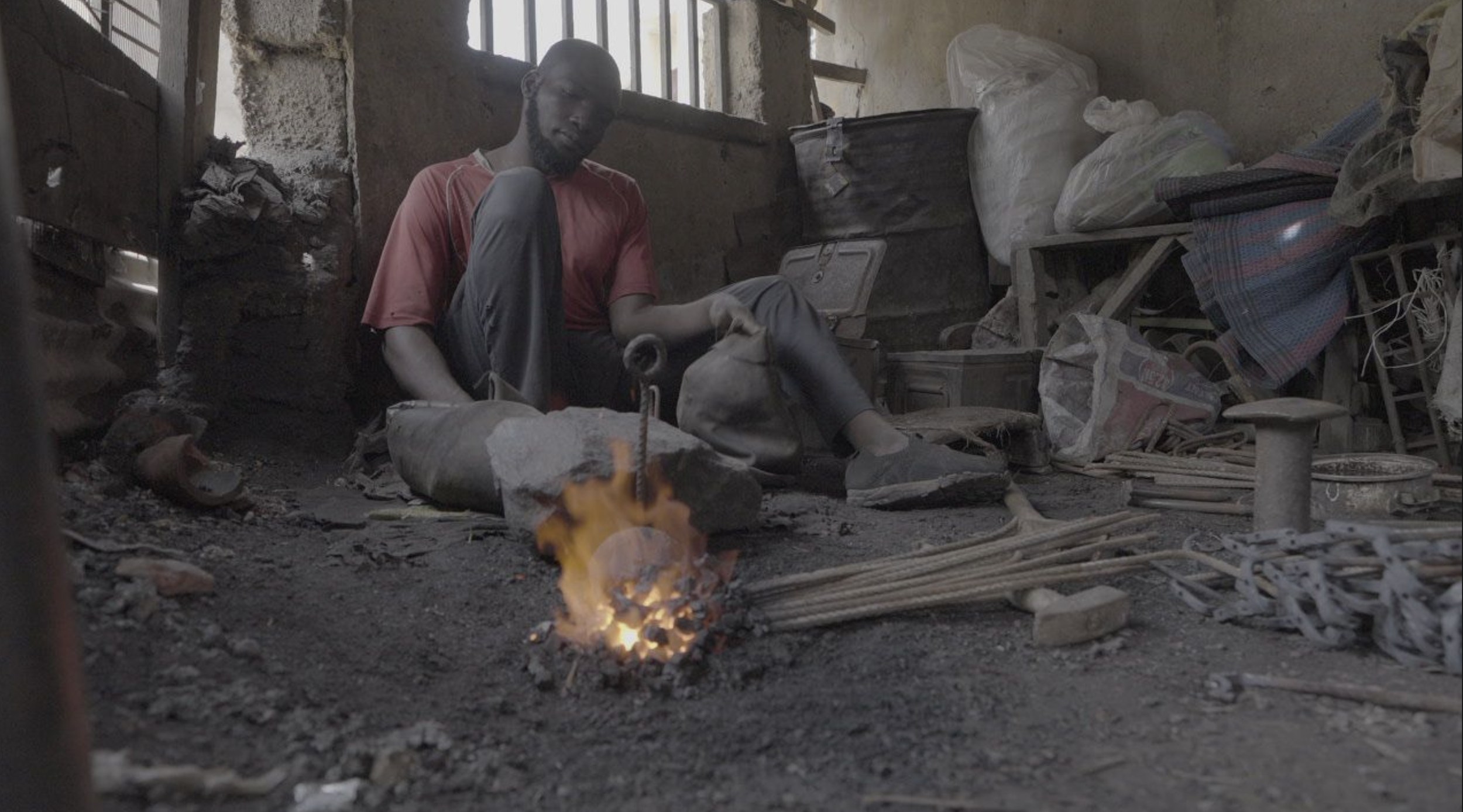
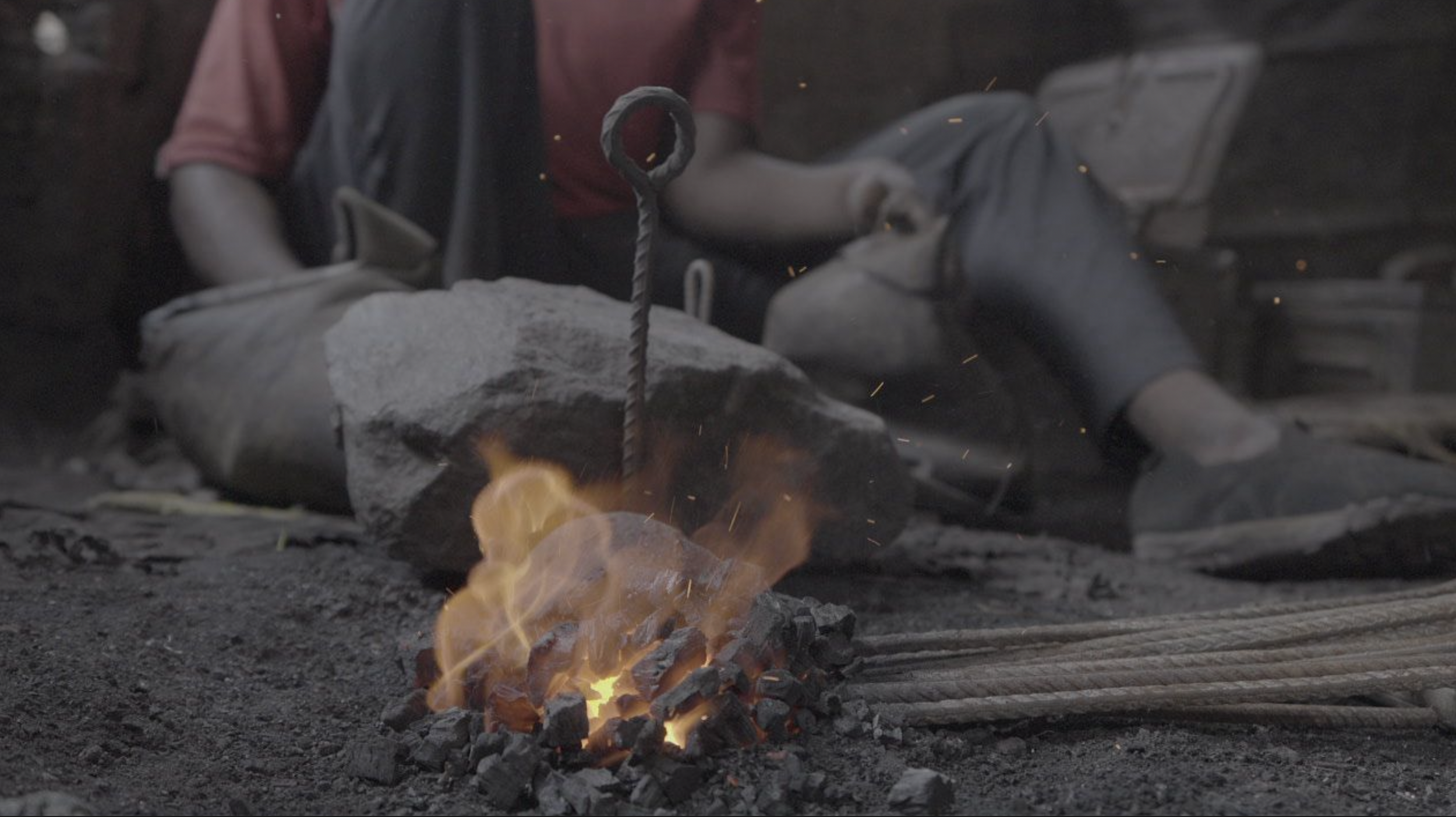
Blacksmiths in Hausa societies of West Africa were far more than artisans; they were key enablers of agriculture, trade, warfare, and social cohesion. Their contributions illustrate the deep interconnections between technology, economy, and culture in precolonial African societies. By sustaining livelihoods, enabling commerce, and shaping political outcomes, blacksmiths stood at the very heart of Hausa economic and social life for centuries.